

From Junk Drawer to Dashboard: How to Manage a Scaling Business Using PMP Principles
Turn your scattered work into a clear and organized system
Most small business owners don’t have an operations problem; they have a "junk drawer" problem.
When you first start out, you can manage everything with a few sticky notes and a decent memory. But as you scale, those sticky notes turn into a mountain of digital clutter. You have tasks in your head, feedback in your DMs, deadlines in your email, and a "to-do" list that is scattered across three different apps.
This is where the "3 AM Raccoon" comes from—that feeling of frantic mental scavenging because you’re terrified something vital has fallen through the cracks.
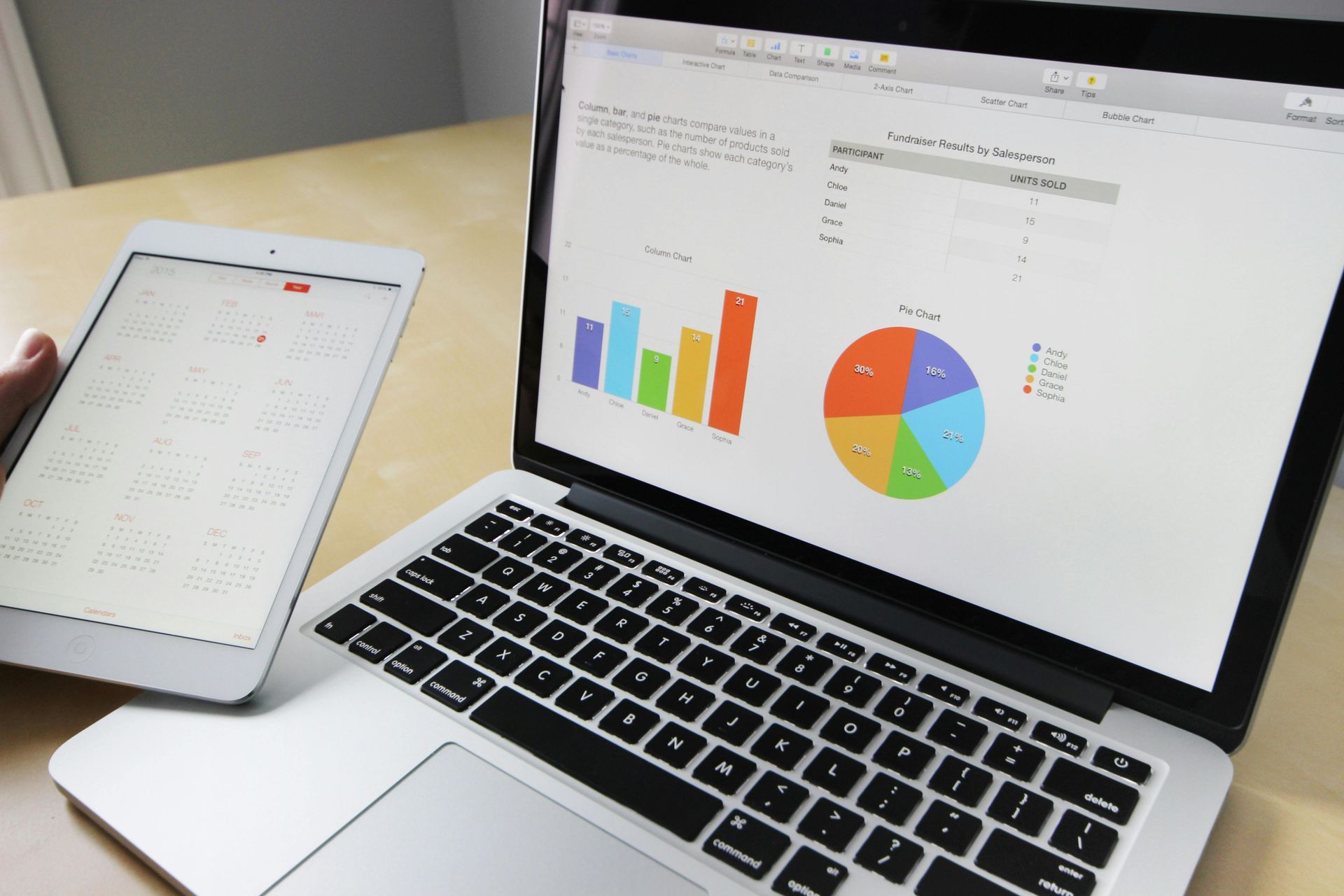
As a PMP (Project Management Professional), I look at business through the lens of systems and dashboards. You don't need more hustle; you need a single source of truth. Here is how to apply professional project management principles to your business to turn that junk drawer into a high-performance dashboard.
1. Identify Your Source of Truth
In a PMP-managed project, there is no "I thought I told you." There is only what is in the system. You must pick one platform—whether it’s Pipedrive, Notion, or a dedicated PM tool—and declare it the only place where work is tracked. If a task isn't in the system, it doesn't exist. This immediately stops the leak of mental energy spent trying to remember what comes next.
2. The Power of the Backlog
Most founders try to do everything at once. In professional systems, we use a "Backlog." This is a parking lot for every idea, task, and "someday" project. By moving these out of your active view and into a categorized list, you clear the cognitive clutter. You aren't saying "no" to these ideas; you are saying "not right now," which allows you to focus on the 20% of tasks that actually drive revenue today.
3. Standardize the "Recipe" (SOPs)
Every time you do a task more than twice, you should be writing a "Recipe" (a Standard Operating Procedure). If you are reinventing the wheel every time you onboard a client or post a blog, you are wasting time. A dashboard-driven business relies on these recipes so that the work is consistent, repeatable, and—eventually—delegatable.
4. Milestone Mapping
Stop looking at your business as one giant, never-ending task. Break your goals into "Milestones." What needs to happen this week to make this month a success? By focusing on the next milestone rather than the entire mountain, you reduce overwhelm and create a rhythmic "pulse" in your business operations.
5. Review the Data, Not the Drama
A dashboard isn't just a list of tasks; it’s a reflection of your health. Once a week, look at your numbers: How many leads came in? How many tasks were completed? Where did the system break? When you manage by the data, you remove the emotional weight of "feeling" like you’re failing. You can see exactly where the bottleneck is and fix it with a system, not more stress.
From Chaos to Control
Moving from a junk drawer to a dashboard isn't an overnight fix; it is a structural shift. It requires the discipline to stop "doing" for a moment so you can "design" how the work gets done.
When your infrastructure is solid, the fear of scaling disappears. You stop being the bottleneck in your own business and start being the architect of a machine that can finally run without you.